Wednesday, 25 October 2017

5 Things we Don't know the Facts About.


          5 Things we Don't know the Facts About.

1. Where did Dog Come From?:

 They’re some of our most constant companions, but there’s a lot we don’t know about when dogs were first domesticated, where the process happened, and what the first domesticated dogs even were
.
Studies on the subject have proven highly inconclusive, with estimates for the first domestication ranging from 9,000–34,000 years ago. Not only is that a huge gap, but it leaves a lot of unanswered questions as to how it happened. Dogs on the most distant end of that scale would have been associating with hunter-gatherer groups, while the more recent instances of domestication would have been happening when the human race had already discovered agriculture and settled into a more sedentary lifestyle.
Researchers from the University of Turku have isolated DNA from some of man’s early canine companions with some staggering implications. Some of the oldest DNA samples were taken from dogs that were living alongside humans around 33,000 years ago and were traced through to dogs that lived in Greenland about 1,000 years ago. But this particular DNA seems to be unrelated to today’s dogs, and it’s now suggested that some of the “dogs” that were domesticated for thousands of years weren’t the same as today’s dogs and were instead a sort of sister species. Ancient dogs have been found in Europe, the Middle East, and Asia, but it’s still not known if the idea of domestication spread from one area to the other or occurred independently in all areas. If it did, it’s not known who was first.

2.Is Virus A Living?: 

  For the most part, everything falls into one of two categories: It’s either alive, or it isn’t. Ever since scientists have been aware of the existence of viruses, they’ve been unable to successfully determine which of these two very distinct groups viruses belong to. Originally, viruses were thought to be alive. The scientists that discovered viruses saw them as organisms that could spread and multiply, suggesting that they were very clearly alive. By the 1930s, however, researchers from the Rockefeller University were finally able to get a look into what was going on inside a virus. Since it didn’t have any metabolic functions, they decided that it wasn’t alive.
But it’s far from clear, as further research by the same team discovered that a virus also exhibits one of the key components of life: reproduction. It not only makes more of itself but creates more proteins and internal chemical structures. Viruses have also been known to change over time, evolve, and carry on processes like repairing damage done to them. All this seems to indicate they’re alive, unless nonliving organisms are also capable of evolution, which seems like a pretty odd thing to even suggest.
Viruses are also unable to carry on these processes outside of a living host, leading some to suggest that they’re functioning on something along the lines of life borrowed from another organism—but that doesn’t make the answer any more clear.

3.Why Do We Sleep?:

   While we do know that the human body is regulated by a circadian clock that keeps humans on a sleep/wake cycle, we don’t really know why. Sleep is the time when our bodies repair tissues and perform other maintenance activities, and we spend nearly a third of our lives snoozing. Some other organisms don’t need to sleep at all, so why do we? There are a few different ideas out there, but none seem to solidly answer the question. Some theorize that animals who are able to sleep have evolved the ability to hide from predators, while others who need to remain more alert are able to rest and regenerate in other ways without fully going to sleep. While scientists don’t quite know why we do it, they are starting to learn more about why it is important, and how sleep impacts important things like brain plasticity.

4.How and Where Does Hunger  Come?:

Hunger has been a question since man had a craving for food. What makes me hungry? what is this feeling I am getting? In early years, scientists thought that hunger resulted from the stomach being empty. To prove his hypothesis one scientist even did the unthinkable and swallowed a deflated balloon. Upon reaching the stomach, he inflated the balloon. When pressure recording were taken it was shown that the stomach contracts when empty. It was found that these muscle contraction cause some food cravings and because of this scientist’s believed that this was the cause of hunger, and an empty stomach.
Further experiments were done including one where a stomach was completely removed and the results yielded that the contraction of the stomach was not the cause of hunger. After all how can a person still be hungry when there is no stomach to contract! It was found that the hypothalamus, or a section in the brain classified as the main control center, was found to be the main cause of hunger.
 As most people know, when your hungry you have an appetite.
If you have just eaten or do not crave any food this stage is called satiety because the nutrients that the body lacked has been replinished.
Lastly, anorexia is when the physiologic state of hunger is present without the desire to eat. This basically means that all though the body is asking for food, the person is ignoring its appetite basically starving themselves.
It is through these three states in which scientists are studying to figure out what makes the human body hungry.

5.Why Do We Age and At Different Rates?:

  Every day we deal with the problems of aging, ever so gradually. We’ve been doing it for as long as we’ve been a species, but we have no idea what actually causes it. We know what happens to cells as they age: Muscles lose mass, tissues become more or less rigid, connective tissues stiffen, and new cells become less and less efficient at absorbing nutrients and removing waste. We just don’t know why.
There are a couple of different theories on why cells age the way they do, including the idea that the aging process is a by-product of the body’s waste materials, or that it’s because of damage done by external factors like ultraviolet rays. It’s also been suggested that we’re simply genetically programmed to age, and how fast or how well we age has nothing to do with external factors.
Even more bizarre is the question of why we age at different rates. Looking at the methylation patterns of cells gives an indication of how old they are, and all of our cells age at different rates. Female breast tissue, for example, shows patterns and changes that indicate it’s about three years older than a person’s calendar age. At the other end of the spectrum are heart cells, which age more slowly and can actually test as being several years younger than the body as a whole. Just why the body ages as it does—and why it ages at all—is nowhere near being completely understood.


Share:

7 Best Advices to Keeping your Kidney Healthy.


           7 Best Advice to Keeping your Kidney Health


You can do a number of things to keep your kidneys functioning properly and keep them as healthy as possible at every stage of life
.

1.Eat Healthy Foods:

   Your kidneys can tolerate a wide range of dietary habits, but Dr. Simon points out that most kidney problems arise out of other medical conditions like high blood pressure and diabetes. Because of this, he suggests you follow healthy, moderate eating habits to control weight and blood pressure. Preventing diabetes and high blood pressure will help keep kidneys in good condition.

2.Hydrate But Don't Over do It:

Contrary to popular belief, no studies have proven over-hydration as an effective practice in enhancing kidney function,” says nephrologist James Simon, MD. So, while it’s always a good idea to drink enough water, drinking more than the typical four to six glasses a day probably won’t help your kidneys do their job any better.

3. Avoid alcohol and smoking.

Excess intake of alcohol can disturb the electrolyte balance of the body and hormonal control that influences the kidney function. Smoking is not directly related to kidney problems but it reduces kidney function significantly. It also has an adverse effect on heart health which can further worsen kidney problems.

4.Have Regular Exercise:

If you’re healthy, getting your exercise is a good idea because, like healthy eating habits, regular physical activity can stave off weight gain and high blood pressure. But do be mindful of how much exercise you do, especially if you’re not conditioned.“Overexerting yourself when you’re not fit and healthy can put a strain on your kidneys, especially if you exercise so much that you cause excessive breakdown of muscle tissue,” says Dr. Simon.

5.Avoid Self Medication:


  Avoid self Medication, always visit your doctor once you notice any sign of disease or sickness in your body because Any drug that you put in your body gets absorbed by the blood and then filtered by the kidneys. So in Example, If you have diabetes, your doctor will have prescribed you with a medication that you can take daily. The medication will either be taken orally or is a shot of insulin. Regardless of the type of medication, make sure that you follow your doctor’s prescription.

6. Don’t resist the urge to urinate.

Filtration of blood is a key function that your kidneys perform. When the process of filtration is done, extra amount of wastes and water is stored in the urinary bladder that needs to be excreted. Although your bladder can only hold a lot of urine, the urge to urinate is felt when the bladder is filled with 120-150 ml of urine. So, if you start ignoring the urge to go to the restroom, the urinary bladder stretches more than its capacity. This affects the filtration process of the kidney and also puts you at risk of kidney stones.

7. Think before you take supplements and herbal medicine.

If you’re on vitamin supplements or if you’re taking some herbal supplements, you should reconsider your dosage requirement. Excessive amount of vitamins and certain plant extracts are linked to kidney damage. You should talk to your doctor about the risk of kidney disease before taking them.


Share:

Monday, 23 October 2017

How to Find your Talents - 5 Good Ways


How to Find your Talents - 5 Good Ways

Why you need to find your talents???

Most people never find their natural talents and strengths – either because they do not believe they have any or because they underestimate their importance. If you want to be successful, discovering
your uniqueness is not a nice bonus – it’s a necessity. The following two examples show you why:

Your biggest room for growth lies within your talents

A common assumption in today’s society is that the key to success is fixing your weakness. People tend to think that working on what you are not good at is the fastest way to grow and develop. That’s far from the truth. Of course, you can get better at anything. Working on your weakness can help you go from bad to mediocre. But you will never be able to achieve true excellence without an underlying talent. As Markus Buckingham says: each person’s greatest room for growth is in the areas of his or her greatest strength.î So find these areas of talent and strength and capitalize on them. That way you can use your full potential.

Making use of your key differentiator

What sets you apart from everyone else is your unique personality with all the special talents and strengths that you possess. YOU are the biggest asset that you could ever have. The first step to embrace your uniqueness is being aware that you are special. You are like nobody else in this world. Nobody else has had the same experiences as you. No one has exactly the same characteristics and shares the same values. Nobody has learned all the various skills you learned. Discovering your talents and strengths means becoming more aware of who you really are. Because only when you know what makes you so unique ñ you can fully embrace and make use of it.

But what exactly is a talent?

A talent is simply a strong characteristic that you have. It’s something you naturally do, think, or feel and that can be used in a beneficial way. It is nothing you acquired in school or that was taught to you at university. A talent is just a natural pattern of thought, feeling, or behavior. Psychologists say that 90% of what you think every day is repetitive*. Meaning most of what you think today, you already thought yesterday, and 90% of these thoughts you also thought the day before … Not only are your thoughts the results of underlying patterns but also your behavior and feelings. Finding your talents is simply about discovering these most prominent patterns within you and then using it to your advantage.

Identifying your unique talents

To set yourself up for success and capitalize on the way you are, you need to identify your unique characteristics. This is a process that takes quite some time but that is definitely worth doing!
The following four ways can help you get started:

1.What do I Enjoy Doing Most?

Check yourself, there is something you have a special ability for, usually something you didn’t even learn before you knew how to do it.
Discover that “thing”, whatever it is (now I don’t mean you should continue sleeping because you didn’t learn it before you were able to do it).
In most cases, we discover that we actually love to exercise our talents; it’s something that you don’t mind spending a whole day doing, you just always enjoy doing it.
It could be telling stories, which you could employ writing or even acting.  Maybe its cracking jokes which could make you a comedian, which is one of the best earning jobs in the entertainment industry today.  Maybe you enjoy making analyses about the economy, you could become a renowned economist if you pursue it as a career.  Maybe its the ability to give credible advice under different circumstances which could  make you a renowned consultant, it could be anything

REMEMBER: Whatever anyone has done, someone else can do as well. You’ll never be exactly the same as another person, but you don’t need to be. You can use the successes and achievements of other people as guidelines to help you decide where you want to arrive at the end of your particular journey. But you can be unique and different and successful in your own way. Talents lies here because you enjoy doing it.

2.Listen to what the universe is saying about you. 

  I just threw the universe thing in there. I actually mean the people around you. What do people tell you about yourself? Do people tell you that you explain things so clearly, you’re a good listener or you would make a great teacher? They are probably seeing qualities in you that lend themselves well to other professions, disciplines and pastimes. READ ALSO: 9 Possible Signs you are on a Wrong Move

3.Find what makes you feel strong

Keep track of how you spend the next two days: What are you doing, feeling or thinking about daily? Write down everything that energizes you and makes you feel strong. It could be a particular physical activity such as meeting up and going dancing with a friend or a mental activity such as finding a solution to a difficult problem. Then when you found a few things you repeatedly do and love, dig deeper and see what part of that particular activity made you feel good.
So for example, one of my patterns is that I love learning and sharing my findings with you. That statement in itself is not quite true: I don’t like learning about everything. Give me books about personal development and I am occupied for hours feeling energized and in flow. Give me almost anything else and I am bored to hell. I like sharing what I learn but if you make me talk about it in front of a crowd, I will try to run and hide. However, sit down with me alone and I will happily talk with you for hours. These are distinct differences that are vital to know in order to make the most of my talent.
Look out for your own patterns: what are you always doing or thinking about? What can you just not help doing, thinking or feeling? Even if someone asks you not to? Often these are things that others can find quite annoying about you

4.Discover what you spend your money on

Your core values are closely linked with what you spend your money and time on. Take note of what you spend your money on and look closer at what this can tell you about yourself.
For example, I spend my money on books, seminars and conferences. The types of books I buy show me what I am passionate about – namely personal development and entrepreneurship. But what’s behind it is my innate desire to learn and grow. That is a strong natural characteristic of mine, a talent that drives everything I do, how I think and how I spend my time.
If you like spending money on going out with friends, is it that you like bringing people together? Is it that you like getting attention and expressing yourself? Or maybe is it because you value deepening your pre-existing friendships? Why do you do what you do? What is behind it? The key is to keep digging deeper in order to get to the core essence of your talent patterns.
Most people, including myself in the past, make the terrible mistake of being too fast and not taking enough time to truly discover themselves. Identifying what makes you truly unique and what drives you is not a 1-minute exercise you can complete while brushing your teeth.
IMPORTANT: Read also The Secret of Success - 7 Good Tips

5. Use failure as motivation.

Things aren’t always going to go your way, no matter how well
you and your teams properly align with your goals. Sometimes we need a good
kick to get us going. Sometimes we need the pain of failure to reset, revise, and reassess. Are you taking risks? Are you
failing? If so, good going.
Winston Churchill failed grandly more than once, and was famously cast to the
political “wilderness” and then came roaring back to lead the British
resistance. Steve Jobs was fired from the company he
founded but through persistence ultimately came back to save it from
extinction. Hillary Clinton failed to win the presidency but then became a
powerful and respected Secretary of State. Each of them, in their own way,
failed, learned from their mistakes, and most importantly, persisted in the face
of failure. Phoenix rising is the way of the world today and we are in the
midst of its widespread occurrence.
Share:

Sunday, 22 October 2017

How to Control Diabetes and Blood Sugar - 7 Best Food

    How to Control Diabetes and Blood Sugar - 7 Best Food


1.Cinnamon

  A study conducted at The University of Georgia discovered a direct connection between the phenol content in herbs and spices and their ability to inhibit the production of AGE compounds
, or advanced glycation end products, which are proteins or lipids that become glycated as a result of exposure to sugars. Cinnamon has been found to have 18 percent phenol content in dry weight, making it a great option for improving insulin sensitivity and blood glucose control.

2.spices

  A 2005 animal study published in the Journal of Medicinal Food discovered that spices improved blood sugar and cholesterol levels. If both levels are at bay, your blood sugar and insulin levels can be lowered. Two beneficial spices to try are turmeric and fenugreek—both are known to help lower blood sugar levels and increase glucose metabolism.

3.Load Up on Spinach

Looking for a diabetes-friendly food? Follow Popeye's example. Spinach, kale, chard, and other leafy greens are loaded with vitamins, such as folate; minerals, such as magnesium; a range of phytonutrients; and insoluble fiber—all of which have virtually no impact on your blood sugar level. Mark Hyman, MD, author of The Blood Sugar Solution (Little, Brown and Company), calls leafy greens "free foods," which means you should eat as many of them as you can. Bonus: The fiber in leafy greens will slow absorption of any carbohydrates (e.g., potatoes or bread) they’re paired with, resulting in a healthier overall glycemic load.

 4.Egg

According to a 2011 study published in the medical journal The Lancet, eating eggs for breakfast can help maintain blood sugar and insulin levels for the rest of the day.
Furthermore, a 2008 study published in the International Journal of Obesity revealed that those who ate two eggs a day for breakfast actually lost 65% more weight than those who didn’t.

 5.Ginger

Well-known for soothing the stomach and aiding in digestion, ginger is also a great option for leveling blood glucose levels. A study published in the International Journal of Food Sciences and Nutrition discovered that the popular kitchen ingredient may be an effective treatment for the prevention of diabetes and its complications, concluding that “ginger improved insulin sensitivity and some fractions of lipid profile, and reduced CRP and PGE2 in type 2 diabetic patients. Therefore ginger can be considered as an effective treatment for prevention of diabetes complications.”

6. Avocados

  Avocados are high in monounsaturated fats, which are essential in slowing down the release of sugars into the body’s bloodstream. Bonus: This fruit can be very beneficial for those who are avid exercisers, because it contains beta-sitosterol, which can help reduce inflammation after a vigorous workout.

7. Oranges:

  Oranges contain pectin, a rich type of fiber that has been known to lower cholesterol levels. It also contains a low glycemic index (GI), which means that the glucose levels are not greatly affected. The American Diabetes Association states that foods that have a low GI generally do not affect the body’s blood sugar and insulin levels. Oranges are also antioxidant-rich and filled with vitamin C, which may also help prevent cell damage.
Share:

Friday, 20 October 2017

The First Test-Tube Baby - Louise Joy Brown


                  The First Test-Tube Baby - Louise Joy Brown
 
  On July 25, 1978, Louise Joy Brown, the world's first successful "test-tube" baby was born in Great Britain. Although the technology that made her conception possible was heralded as a triumph
in medicine and science, it also caused many to consider the possibilities of future ill-use.


Every year, millions of couples try to conceive a child; unfortunately, many find that they cannot.
The process to find out how and why they have infertility issues can be long and arduous. Before the birth of Louise Brown, those women who were found to have fallopian tube blockages (approximately twenty percent of infertile women) had no hope of becoming pregnant.Usually, conception occurs when an egg cell (ovum) in a woman is released from an ovary, travels through a fallopian tube, and is fertilized by the man's sperm. The fertilized egg continues to travel while it undergoes numerous cell divisions. It then rests in the uterus to grow.
Women with fallopian tube blockages cannot conceive because their eggs cannot travel through their fallopian tubes to get fertilized.
Dr. Patrick Steptoe, a gynecologist at Oldham General Hospital, and Dr. Robert Edwards, a physiologist at Cambridge University, had been actively working on finding an alternative solution for conception since 1966.
While Drs.
Steptoe and Edwards had successfully found a way to fertilize an egg outside a woman's body, they were still troubled by problems after replacing the fertilized egg back into the woman's uterus.
By 1977, all of the pregnancies resulting from their procedure (about 80) had lasted only a few, short weeks.
 Lesley Brown became different when she successfully passed the first few weeks of pregnancy.

Lesley and John Brown

Lesley and John Brown were a young couple from Bristol who had been unable to conceive for nine years. Lesley Brown had blocked fallopian tubes.
Having gone from doctor to doctor for help to no avail, she was referred to Dr. Patrick Steptoe in 1976. On November 10, 1977, Lesley Brown underwent the very experimental in vitro ("in glass") fertilization procedure.
Using a long, slender, self-lit probe called a "laparoscope," Dr. Steptoe took an egg from one of Lesley Brown's ovaries and handed it to Dr. Edwards. Dr. Edwards then mixed Lesley's egg with John's sperm. After the egg was fertilized, Dr. Edwards placed it into a special solution that had been created to nurture the egg as it began to divide.
Previously, Drs. Steptoe and Edwards had waited until the fertilized egg had divided into 64 cells (about four or five days later). This time, however, they decided to place the fertilized egg back into Lesley's uterus after just two and a half days.
Close monitoring of Lesley showed that the fertilized egg had successfully embedded into her uterus wall. Then, unlike all the other experimental in vitro fertilization pregnancies, Lesley passed week after week and then month after month with no apparent problems.
The world began to talk about this amazing procedure.

Ethical Problems

Lesley Brown's pregnancy gave hope to hundreds of thousands of couples not able to conceive. Yet, as many cheered this new medical breakthrough, others were worried about future implications.
The most important question was whether this baby was going to be healthy. Had being outside the womb, even for just a couple of days, harmed the egg?
If the baby had medical problems, did the parents and doctors have a right to play with nature and thus bring it into the world? Doctors also worried that if the baby wasn't normal, would the process be blamed whether or not it was the cause?
When does life begin? If human life begins at conception, are doctors killing potential humans when they discard fertilized eggs? (Doctors may remove several eggs from the woman and may discard some that have been fertilized.)
Is this process a foreshadowing of what is to come? Will there be surrogate mothers? Was Aldous Huxley predicting the future when he described breeding farms in his book Brave New World?

Success!

Throughout Lesley's pregnancy, she was closely monitored, including the use of ultrasounds and amniocentesis. Nine days before her due date, Lesley developed toxemia (high blood pressure). Dr. Steptoe decided to deliver the baby early via Cesarean section.
At 11:47 p.m. on July 25, 1978, a five-pound 12-ounce baby girl was born. The baby girl, named Louise Joy Brown, had blue eyes and blond hair and seemed healthy. Still, the medical community and the world were preparing to watch Louise Brown to see if there were any abnormalities that couldn't be seen at birth.
The process had been a success! Though some wondered if the success had been more luck than science, continued success with the process proved that Dr. Steptoe and Dr. Edwards had accomplished the first of many "test-tube" babies.
Today, the process of in vitro fertilization is considered commonplace and utilized by infertile couples around the world.

 Source: Thoughtco.com

Share:

Who Owns the Internet?


 Hello I bring to us today a Question which everyone should try and know the Answer, The question is Who Owns the Internet?
Good, this is a question Anyone surfing the Internet at least 3times in a Week should ask Him/Her Self.
     The truth is that No One Actually Owns the Internet or I Can say a lots of People owns it, and no single person or organization controls the Internet in its entirety. The Internet is more of a concept than an actual tangible entity, and it relies on a physical infrastructure that connects networks to other Networks. 
  It's a truly global system. Cables crisscross countries and oceans, crossing borders and linking some of the world's most remote locations to everyone else. And the Internet is still growing. More computers link to it every day, and various organizations and companies are working to extend Internet access to countries that aren't yet connected.
  What do you have to say about this? The comments Box is below, Your Opinion...
Share:

Thursday, 19 October 2017

How to Control Diabetes: Tips to Lower Blood Sugar level


  Lack of physical labour, mental work pressure, stress(but not much), faulty lifestyle and wrong dietary pattern are some of the factors that spike the levels of blood sugar
. Blood Sugar can be controlled, managed and prevented to a larger extent through alternative medicine

   Firstly lets look on the Signs and Symptoms of high Blood Sugar

  • Concentrated urine
  • Frequent urination due to more sugar in the blood.
  • Frequent hunger to cope with high sugar
  • Unquenchable thirst
  • Dryness in the skin
  • Eyesight problems
  • Feeling of tiredness and weakness
  • Delay healing of wounds
  • Itching in the body, especially in the genital organs
  • Weight fluctuation
  • Drowsiness and low sexual urge
 How to Control Diabetes: Tips to Lower Blood Sugar level


1. Follow a Balanced Diet with Complex Carbs

According to Preeti Rao, Health and Wellness Coach, "Eat a variety of fruits and vegetables, lean protein and good sources of fat. Foods to avoid are those rich in trans fats (also called hydrogenated fat), processed food, and sugar. Complex carbohydrates are rich in fiber and are not highly processed like refined carbohydrates. They take longer to digest and hence provide a sustained source of energy for a longer duration.

 2. Benefits of Resistant Starch


Accordingly to a study done by the University College Dublin in Ireland, resistant starch, which occurs naturally in foods such as bananas, potatoes, grains and legumes, may benefit your health by aiding blood sugar control, supporting gut health and enhancing satiety. This is a form of starch that is not digested in the small intestine and is therefore considered a type of dietary fiber.

3. Have Breakfast Like a King

A high-energy breakfast and modest dinner can control dangerous blood sugar spikes all day, as stated by a study done by a group of researchers from Tel Aviv University and published in Diabetologia. They found that by eating more calories at breakfast when the glucose response to food is lowest, and consuming fewer calories at dinner, glucose peaks and glucose levels throughout the day were significantly reduced.


4. Physical Activity is a Must

A minimum of 30 minutes of physical activity is a must for diabetics. "Regular exercise is required for keeping your glucose levels under control. Muscle movement results in the utilization of insulin. Thirty minutes of walk every day will cut your risk of diabetes by one- third," says Dr. Shashank Joshi.


5. Ginger Benefits

According to a study done by the University of Sweden, ginger has potential power to control blood glucose by using muscle cells. The study found that ginger extracts were able to increase the uptake of glucose into muscle cells independently of insulin.


6. Drink Water and Stay Hydrated

Drinking enough water may help you keep your blood sugar levels within healthy limits.
In addition to preventing dehydration, it helps your kidneys flush out the excess blood sugar through urine.
One observational study showed that those who drank more water had a lower risk of developing high blood sugar levels.
Drinking water regularly re-hydrates the blood, lowers blood sugar levels and reduces diabetes risk. Keep in mind that water and other non-caloric beverages are best. Sugar-sweetened drinks raise blood glucose, drive weight gain and increase diabetes risk.

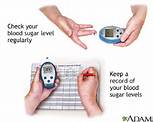
8. Monitor Your Blood Sugar Levels

"What gets measured gets managed."

Measuring and monitoring blood glucose levels can also help you control them.
For example, keeping track helps you determine whether you need to make adjustments in meals or medications.
It will also help you find out how your body reacts to certain foods.
Try measuring your levels every day, and keeping track of the numbers in a log.


Share:

How to Prevent Heart attack in 12 ways


                             How to Prevent Heart attack in 12 ways

1. Limit alcohol.

While red wine contains resveratrol, an antioxidant that may reduce the risk of blood clot formation and heart attack, drinking too much alcohol can also cause spikes in blood pressure
and higher triglyceride levels, increasing your risk for heart disease. If you decide to drink, limit yourself to one drink a day for women, two  for men.

2.Don't overeat

Eating a big meal—particularly a high-fat one—could potentially trigger a heart attack.

A 2000 study of heart-attack survivors hinted that the two-hour period after a heavy meal is risky. Diverting blood from the heart to aid digestion may also spur angina, or heart-related chest pain.

"Overeating should be considered a heart-attack trigger, much in the same way that extreme physical activities and severe anger episodes may cause a myocardial infarction,” says researcher Francisco Lopez-Jimenez, MD, a cardiologist at the Mayo Clinic, in Rochester, Minn.

3. Schedule regular checkups.

Seeing your doctor for a regular tune-up ensures that any irregularities with your blood pressure, blood sugar or cholesterol levels will be spotted — and dealt with — as early as possible.

4. Get your teeth professionally cleaned.

A study from Singapore found that people who got their teeth cleaned by a dentist or dental hygienist at least once a year had a lower risk of heart attack than those who never had a professional cleaning, because tooth scaling seems to reduce bacteria growth that causes inflammation and can up your risk for heart attack or stroke.

5. Keep diabetes under control.

If you have diabetes, your risk of heart attack is nearly doubled compared to someone who doesn't have it. Keeping your blood sugar in check can help you manage your diabetes and lower your heart attack risk. 

Read Also: How to Control Diabetes: Tips to Lower the Blood Sugar Level

6. Bike or take public transportation to work.

If you need an excuse to trade in your car keys for a bike helmet, here's one. A 2009 Swedish study found that people who regularly drive to work have a whopping 70% higher risk for heart attack than those who take a more active route like walking, biking or public transportation. Lowering your gas expenses is an added bonus!

7. Find an exercise buddy.

Being overweight and/or physically inactive puts you at greater risk for heart attack, so a good diet and proper exercise are key. Why not recruit a friend to work toward better heart health with you? Whether you join a recreational sports team, buddy up on a gym membership or simply get together for a walk or jog after work, having someone to work out with can help you stay motivated — and it’s a great way to bond.

8.Limit emotional involvement

Not with people! But avoid getting too emotionally invested in things that don't matter that much.

For example, researchers recently linked football team losses with a greater risk of heart attack. In Los Angeles County, deaths from heart attacks and just deaths in general (mostly in elderly people) spiked after the Pittsburgh Steelers routed the Los Angeles Rams 31-19 in the 1980 Super Bowl. But when the Rams pounced the Washington Redskins 38-9 in 1984, deaths in the county declined. So don't sweat the small stuff and remember that it's all small stuff.

9. Weigh yourself regularly.

If you’re looking to lose some weight and keep it off, monitoring your progress definitely helps. This doesn’t mean constantly obsessing over every crumb and calorie; it can be as simple as weighing yourself once a week. Greater weight self-monitoring is correlated to greater weight loss and less weight gain, according to several studies, as the frequent feedback may prompt you to make changes in your routine to get the results you want.

10. Track your target heart rate when you exercise.

The best way to find out whether any physical activity is improving the fitness of your heart and lungs is by tracking your heart rate when you exercise. According to the guide, your target heart rate should be between 50 to 75% of your maximum heart rate, which changes as you age. Over 75% may be too strenuous except for those in tip-top shape, while less than 50% is not enough to sufficiently condition your heart and lungs.

11. Play with your kids or pets.

Regular physical activity isn't just great for the waistline. It also lowers your risk of heart disease. But you don't have to hit the gym or start training for a marathon to get into better shape. Start simple, by spending some more time being active with the people — or pets — you love.

12.Avoid secondhand smoke. 

 Most people associate secondhand smoke with lung disease—but the danger to the heart is worse than you may realize.
Here’s why: Exposure to cigarette smoke—from smoking yourself or from secondhand smoke—increases arterial inflammation and impairs the ability of arteries to dilate and constrict normally. It also makes blood more likely to coagulate, the major cause of heart attacks.
If you live with an indoor smoker or spend time in other smoke-filled environments, your risk for a heart attack is 30% higher than in someone without this exposure. Cities (and countries) that have adopted public-smoking bans have reported reductions in heart attacks of 20% to 40%—with most of the reductions occurring in nonsmokers.

 
Share:

Thursday, 7 September 2017

5 Dangerous Diseases You Can Contact During Sex, Regardless of Condom Use.


When it comes to diseases that are transmitted through skin, the condom will not work. Therefore, if you are sexually active, it is Better to Hold till you get Married Or is important to regularly do tests, even if you practice safe sex! Some STD’s have serious health consequences if left untreated.


These are the most common diseases that you can get infected even with using a condom. Is not a Surprise & New thing. STAY SAFE

  1.Genital Herpes

If the wound of the herpes is located in the groin or the part not covered by a condom, it may cause transmission of herpes through that unprotected wound. Doctors recommend abstinence when you have a visible outbreak of herpes (herpes is easily transferred), but you should know that herpes can be transmitted even when there are no visible symptoms.
Condom is not sufficient protection nor with herpes type 2 – genital herpes, nor with herpes type 1 – oral herpes. which is recently discovered that it can be transmitted through sexual intercourse. Depending on the stage of the disease, herpes may be less (when no visible symptoms) or more infected (with visible bubbles on the skin). Also genital herpes can cause vaginal pain.

    2. HPV

HPV is the most common STI; there are over 100 strains of the virus. Some strains of HPV go unnoticed and seem to cause no symptoms at all, while others can cause genital warts or various cancers. Because genital warts can be on parts of the genitals that are not covered by a condom, especially female condoms, HPV can be spread via skin-to-skin contact. What’s worse– there is no male STD test for HPV and many cases show no symptoms, so it is often passed on unknowingly to partners.

  3. Syphilis

Yes, syphilis is still around. Syphilis is a highly contagious bacterial infection that spreads through sexual contact, including oral, vaginal, and anal sex. Syphilis sores occur at the infection site, and can be contracted by a partner via skin-to-skin contacts regardless of using condom.

  4. Human Papillomavirus

Human Papillomavirus is one of the most common STDs out there. As of 2013, there were 79 million reported cases of it in the United States according to the Centers for Disease Control (CDC). What makes it so common? It isn’t passed through fluids like more severe STDs, but rather just through skin-on-skin contact. There are thousands of strains of the virus, some are mild and never manifest themselves, some cause warts, and some can cause cancer.

   5. Public Lice/Crabs

Pubic lice, also known as crabs, are Pthirus pubis that infect the genitals. These lice are most common among teens and are typically spread during sexual, skin-to-skin contact. Pubic lice can live among public hair and can be spread whether or not a condom is used.

            HOW CAN I STAY SAFE??

 The easiest way to protect yourself is to know if your partner is tested, and if he had other partners since he have been tested,  and what his / her relationships were in the past.
Also, if you reduce the number of sexual partners it reduces the chances to get infected with a sexually-transmitted diseases.
To reduce the number of possible breaks in the skin, use a lubricant, it will reduce friction, which can also reduce the direct contact between the skin.
Always keep protection with you  OR even stay away from it and wait till you get Married In other not to Regret Later.
Share:

Monday, 4 September 2017

Important: Things We Don't Know it Affects The Life As a Youths/Adults/Teens.


Here Are The Major Thing That Affect Life
 Of The Children/Youths and Married This Days

  1. Technology's Negative effects

Neurosis 
Technology causes people to suffer from mental and emotional disturbances, such as anxiety, phobias and delusions, which are all symptoms of neurosis
. Being convinced you’re very ill after looking up strange diseases on WebMD or thinking you are famous because you have had a viral video are a couple of ways technology neurosis manifests itself.
Loss of Hearing and Eyesight
Using headphones and ear buds can cause people to lose their hearing over time. Likewise, straining your eyes looking at computer and device screens can cause people to need glasses much earlier in life.
Be more mindful of the time you spend using technology. If you have longer conversations with Siri than you do with real people, it’s probably time to put the phone down. Force yourself to have an electronic-free day or weekend. When you go on vacation, don’t take your phone or at least put it on “do not disturb”. Creating balance will help you enjoy the benefits of technology without becoming a mindless internet zombie.

  2. Drug/Alcohol Abuse

  There was a time in cinematic history where virtually every actor/actress was portrayed on screen with a cigarette in hand. Smoking, it was implied, was cool. As a result everyone was doing it, including kids. Well, as awareness to the danger of smoking increased, “cool” images of smoking disappeared. Unfortunately, the same can’t be said about drugs and alcohol. These vices are staples in everyday media. Simply, drinking and using drugs is shown as being cool.
The numbers bear the tale. 21% of high school seniors say they get high and 41% of the same group report drinking alcohol. Our kids are literally moving around in an intoxicated daze. Immature behavior is then amplified due to being under the influence. Drunk driving, poor grades and attendance, anti-social and violent behavior and the list goes on.

    3. Watching Porn/Sex Video and Images

Struthers elaborates,
  1. As men fall deeper into the mental habit of fixating on [pornographic images], the exposure to them creates neural pathways. Like a path is created in the woods with each successive hiker, so do the neural paths set the course for the next time an erotic image is viewed. Over time these neural paths become wider as they are repeatedly traveled with each exposure to pornography. They become the automatic pathway through which interactions with woman are routed….They have unknowingly created a neurological circuit that imprisons their ability to see women rightly as created in God’s image (Wired For Intimacy, 85).
In a similar vein regarding porn’s effect upon the brain, Naomi Wolf writes in her article, “The Porn Myth,”
  After all, pornography works in the most basic of ways on the brain: It is Pavlovian. An orgasm is one of the biggest reinforcer imaginable. If you associate orgasm with your wife, a kiss, a scent, a body, that is what, over time, will turn you on; if you open your focus to an endless stream of ever-more-transgressive images of cybersex slaves, that is what it will take to turn you on. The ubiquity of sexual images does not free erros but dilutes it. 

4. Unemployment

The study aimed at identifying the social and psychological effects resulted from unemployment on the youth in the Jordanian community from their own perspective and their future attitudes. In addition it aimed to identify the social roles of the youth which are affected by the different problems they are exposed to because of lack of chances of work which made them anxious, depressed and fear of doing any specific work and being unable to change their life track to the best The objectives of the study were achieved through the instrument of the study which was distributed on the sample of the study. It consisted of (50) unemployed persons. The effects of the unemployment were studied in different areas represented such effects on the social life and the psychological problems of the youth, in addition to such effects on the roles of the youth in the community the findings related to the effect of the unemployment on the social problem that face the youth indicated that the delay of marriage age is the most prominent social problem. As for the psychological problems, the findings showed that the hostility feeling is the worst feeling those persons have within their community especially when comparing themselves with those who work. Finally, as for the roles of the youth, the participants showed that the unemployment causes confusion and disability of doing their own roles in the future.

   5. Violence 

   A child’s education is the foundation from which he or she will be able to go forth out into the world and build a life. Schools play a major role in this endeavor, and therefore it is reasonable to expect that these places of learning would be safe havens for the children while they are preparing for adulthood. Unfortunately, this is not always the case.
In many instances, especially in low income, urban settings, schools can be a war zone. We are not talking about minor bullying, but rather serious violence. Consider that in the last decade 284 kids were murdered due to school violence – these were shootings, stabbings, fighting and suicides. Growing up is tough enough without having to be worried about being killed while going to math class.
   
Share:

How To Control Anger:: 7 Steps You Can Control Your Anger


          When you’re angry, you might feel anywhere between a slight irritation to rage.
 Anger is not good for you, is not you, Is always against you. Anger has done many things to people try and control it. follow these few steps it will help
.

       1. Take a Deep and Continuous Breath 


When you start feeling angry, try deep breathing, positive self-talk, or stopping your angry thoughts. Breathe deeply from your diaphragm. Slowly repeat a calm word or phrase such as "relax" or "take it easy." Repeat it to yourself while breathing deeply until the anger subsides.

      2. Don't hold a grudge

     Forgiveness is a powerful tool. If you allow anger and other negative feelings to crowd out positive  feelings, you might find yourself swallowed up by your own bitterness or sense of injustice. But if you can forgive someone who angered you, you might both learn from the situation and strengthen your relationship      

     3. Look For possible solutions

Instead of focusing on what made you mad, work on resolving the issue at hand. Does your child's messy room drive you crazy? Close the door. Is your partner late for dinner every night? Schedule meals later in the evening — or agree to eat on your own a few times a week. Remind yourself that anger won't fix anything and might only make it worse.

    4. Think before you speak

In the heat of the moment, it's easy to say something you'll later regret. Take a few moments to collect your thoughts before saying anything — and allow others involved in the situation to do the same.

   5. Expand your view

  Sometimes you might become angry because you see only one aspect of the issue​—the part that affects you. Try to consider the other side of the story. “Even when people are downright rude  

    6. Self-control 

   is all about thinking before you act. It puts some precious seconds or minutes between feeling a strong emotion and taking an action you'll regret.
Together, self-awareness and self-control allow you to have more choice about how to act when you're feeling an intense emotion like anger.

     7. Your Values

  What is the most significant thing in your life? Who are the most important people in your life? What kind of person do you want to be? Think and accept that point that you are living your life, and you are living your values. There is a good man inside you that wants to help you. I wish you good luck.

Share:

Friday, 1 September 2017

Reasons You Should Drink Water First Very In The Morning.


If you drink lots of water during the day, you’re off to a great start! Water plays an important role in the proper functioning of your body, and staying hydrated is important, but drinking a big glass of water on an empty stomach in the morning has its own perks!

1. It Will Re-hydrate You

After seven or eight hours of sleep, your body becomes dehydrated. Drinking water upon waking helps increase the flow of oxygen, and aids in the production of muscle and blood cells.

2. It Will Jumpstart Your Metabolism

Drinking at least one large glass of water in the morning – about 16 oz of cold water – can boost your body’s metabolism by about 24%, which can aid in maintaining a healthy weight.

3. Water Helps Your Body Flush Out Toxins

When you drink water in the morning before eating, you help to purify your colon, allowing nutrients to be absorbed more easily. Your kidneys also function better when you’re getting enough fluids.

4. Your Brain Tissue is 76% Water

When you’re dehydrated, your brain is operating on low fuel. This can cause you to feel tired, drained, may lead to headaches, and you may even experience mood fluctuations.

<----adsense---->
5. You’ll Stay Full Longer

Water helps to fill your stomach. Drinking a big glass of water in the morning, and before meals, can help you to eat less, and avoid over-eating. Drinking water in the morning before breakfast will leave you feeling full until lunch, and help you to avoid mid-day snacking.

Here’s how to drink water in the morning, to get the best results: Drink 1.5 liters (5 or 6 glasses) of water immediately after waking up. Avoid eating or drinking anything else for about an hour after drinking water. Of course, alcohol dehydrates the body, so it’s best to avoid alcoholic drinks before you go to bed.
Human beings are comprised of 72% water, so making sure to get your recommended daily intake of the liquid makes sense! Here’s a more precise breakdown of the water in your body:
  • Your muscles are 75% water
  • Your blood is 82% water
  • Your lungs are 90% water
  • Your brain is 76% water
  • Your bones are 25% water
You can see why staying hydrated is so important to keep your body healthy, energized and running properly. The risks of dehydration can be extremely serious. Your body depends on water to survive! Every cell, tissue and organ in your body needs water to work correctly, so if you aren’t drinking enough, make H2O your new best friend. If you find the taste too bland, add some lemon! 
Share:

Wednesday, 30 August 2017

List Of Foods That May Cause Harm To Our Brain


Saturated Fat

Another study, albeit one in rats, contributes to the idea that butter is not in fact back. Researchers at the University of Montreal found that rat diets high in saturated fat (when 50% of all calories come from an unhealthy fat, like palm oil or butter) impaired the
functioning of their brain’s mesolimbic dopamine system—aka the part that controls motivation and wellbeing, and is often implicated in mood disorders, drug addiction, and overeating. Diets high in monounsaturated fat, like olive oil, didn't show the same association. The study, published in the journal Neuropharmacology, also found that saturated fats dulled the animals’ reward system, spurring them to overeat to compensate for feeling unsatisfied.

 Processed Foods

Processed foods are bad for your health. Food additives, preservatives, food dyes have a negative impact on cognitive functions and behavior in children. Lancet published a study in 2007 which revealed that excessive intake of processed foods, foods that contain additives and food colorings can lead to hyperactivity.
Artificial food additives are consisted of about 3000 different chemicals that are added to your food. Naturally, consumption of this foods isn’t beneficial for your health and things get even worse when you eat this type of food on daily basis. For MSG that is used to emphasize the flavor of the food destroys nerve cells in the brain and encourages* seizure-like behavior.
A study from 1984 discovered that exitotoxins additives affect the nervous system.
Some examples of processed foods are:
  • Processed meats
  • Packaged baked goods
  • Frozen dinners
  • Savory snacks
  • Canned vegetables
  • Microwave meals.

Sodium

While the debate about its effects on blood pressure and cardiovascular disease rages on, a study found that high levels of sodium intake paired with low levels of physical activity had a negative impact on cognitive abilities. For the study, Canadian researchers followed the physical activity and sodium consumption of 1262 participants, ages 67 to 84. The participants were placed into three groups: low-, mid-, and high-sodium intake. The most significant changes were seen in participants with low physical activity levels; people with lower sodium intake paired with lower physical activity levels showed slower cognitive decline than participants with high sodium levels and low physical activity. Happily, this is a reversible curse: The study, published in the journal Neurobiology of Aging, discovered that regular exercise can counteract sodium’s negative effects on the brain, as well as the cardiovascular system.

Trans Fats

One more reason to rejoice over the FDA’s trans fats ban: The stuff could hurt your memory. A study published in the journal PLoS One found that consuming more trans fat was associated with difficulty remembering words—and we’re not talking tip-of-the-tongue mistakes. The study followed 1018 participants and their consumption of trans fats, ranging from 3.8 grams per day to 27.7 grams per day. They were asked to complete a task that forced them to identify new versus recurring words in a series. For each gram of daily trans fats consumed, participants recalled an estimated 0.76 fewer words. That means study participants who consumed the highest amount of trans fats per day recalled 65 words correctly, while the average participant recalled 86 words.

Fried Foods

As it was mentioned above, you should always strive to avoid fried foods. Scientists from Spain discovered that compounds that are released from cooking oils increased the risk of some neurological degenerative diseases e.g. Alzheimer’s disease or Parkinson’s disease. These compounds are formed when the oil is heated to normal frying temperature. However, if you think that change of the oil might change the outcome you are wrong. Scientists tested sunflower oil, flaxseed oil, and olive oil. All tested oils released these compounds in frying temperature; however flaxseed oil and sunflower oil created more compounds in shorter amount of time.
Some examples of fried foods:
  • Chips
  • Buffalo wings
  • Fried chicken
  • Corn dog
  • Chimichanga
  • Doughnuts
  • Egg rolls
  • French fries yet again.

 Tips For Better Health and Brain Function

  • Instead of frying the food, you should bake or cook
  • If you love dairy products then buy ones with reduced* level of fat
  • Instead of buying instant meals, cook your lunch and dinner
  • Unprocessed meat is always better* than processed meat
  • Include a lot of fruits and vegetables into your diet and don’t forget to wash them of course.
Your comment is needed.
Share:

Must Read: How Your Brain Will Be Be Affected


In World Today, these are common things we do that can Damage our Brain so In order to experience a heightened state of brain function, make sure you avoid habits that inhibit mental health and learn new ways to promote brain function. Any positive change is sure to reflect in you, regardless of how many bad habits you have; so start by learning what kills your brain
.

Lack of sleep

Last night's late party makes it less likely you'll remember your new coworker's name the next day. "While some part of the brain takes a siesta when we sleep, deeper areas involved with memory and emotional response become relatively more active," says Allen Towfigh, MD, medical director of New York Neurology & Sleep Medicine. "Individuals with sleep deprivation and sleep disorders not only suffer from impaired memory but also daytime fatigue, impaired attention, and reduced reaction time." The standard recommendation of eight hours of sleep a night doesn't necessarily work for everyone. If you wake up fatigued and fall asleep unintentionally during the day, then you may need more sleep, says Dr. Towfigh.

Anxiety and depression

Worrying about an upcoming presentation in front of the CEO may also hinder your memory, several studies show. "We don't understand the exact link, but strong evidence indicates depression, anxiety, and bipolar disease disrupts the neural circuitry involved in developing and retrieving memories," says Dr. Towfigh. "The severity of the memory loss often mirrors the severity of the mood disorder—severe depression brings about equally severe memory loss." Prolonged periods of everyday stress increase cortisol levels in the brain, which causes our brain cells to lose synapses (the bridges that connect our brain cells to one another), and make it more difficult to create and retrieve memories. The good news is when memory loss exists with a mood disorder (including anxiety and depression), the memory loss is usually at least partially reversible. "As the individual's mood improves, often so does the memory loss," says Dr. Towfigh.

  Alcohol

Contrary to popular belief, alcohol doesn’t actually kill your brain cells, says David Sack, M.D., CEO of addiction-treatment company Elements Behavioral Health.
But hooch does alter levels of neurotransmitters, the chemical messengers that control your mood, perception, and behavior, he says.
Alcohol impairs brain areas such as the cerebellum—the control site for your balance and coordination—and your cerebral cortex, which is responsible for thinking, memory, and learning, says Kimberly S. Walitzer, Ph.D., deputy director of the University at Buffalo’s Research Institute on Addictions.
Plus, University of Michigan researchers found the amygdala—an area of the brain involved in fear and anger—showed less of a reaction to threatening faces after a single drink, potentially explaining why you’re prone to risky behavior (like fighting a bouncer) under the influence
 

Smoking

  • Smoking blocks the carotid artery. So, blood supply to the brain cells are cut off. This results in stroke, called cerebral thrombosis. Smokers’ risk of having a stroke is 1.5 times more than non-smokers.
  • Smoking also leads to thickening and clotting of the blood.
  • Smoking causes oxidative stress.

Smoking Myth

It’s a myth that smoking helps to concentrate and makes a smoker alert. In fact, the speed and accuracy of a smoker’s thinking ability becomes weak. Smoking also lowers down the smokers’ IQ. This fact has been established by a study conducted by University of Michigan researchers. Besides this smoking leads to many diseases and illness.
The researchers also confirmed that long-term smoking have harmful effects on memory, problem-solving, and IQ. In fact, they viewed that smoking diminishes the thinking ability of a person.

Benefits of Quitting Smoking

Smoking which changes the human brain, when quit can benefit the smoker. So, give up smoking and decrease your risk of having strokes.


High Blood Sugar

Overeating, poor memory, learning problems, depression- all these conditions were linked in a recent study to consumption of too much sugar. These effects point to a larger problem which health experts are only beginning to understand; how sugar consumption affects normal brain function. The U.S Department of Agriculture reports that the average American consumes 156 pounds of added sugar annually.
This sounds quite alarming especially when you picture what 156 pounds of sugar would look like on the shelves at your local grocery store. Most people have no idea how much sugar they consume because sugar is always present in our diet but health experts recommend a reduction in sugar intake, which you can do by avoiding food and drinks loaded with sugar.

Air Pollution

Your brain uses up significant amounts of oxygen in order to function properly- which can be a problem if you're constantly exposed to air pollutants. Polluted air impairs the supply of oxygen to the brain, which lowers cognitive function and could also cause actual physical changes to the brain. Air pollution is caused by industrial waste, vehicles, dust, etc, and the pollutants can reach deep areas of your organs, inhibiting proper function of your body.
Share:

Monday, 28 August 2017

The Neccessary Foods To Improve Our Memory

 These are foods to improve our memory, it is most important that we don't run out of it.
So take a look on them and try as much to be taking atleast once in a week.

green-leaves-memory

Dark green leafy vegetables

Kale, collard greens, spinach, and broccoli are good sources of vitamin E and folate, Morris says.
For example, one cup of raw spinach has 15% of your daily intake of vitamin E, and 1/2 a cup of cooked spinach has 25% of your daily intake.

Exactly how folate may protect the brain is unclear, but it may be by lowering levels of an amino acid known as homocysteine in the blood. High levels of homocysteine may trigger the death of nerve cells in the brain, but folic acid helps break down homocysteine levels.
High homocysteine levels have also been linked to an increased risk for heart disease.

Fish

Salmon, mackerel, tuna, and other fish are rich in heart-healthy omega-3 fatty acids, including docosahexaenoic acid (DHA).

“In the brain, DHA seems to be very important for the normal functioning of neurons,” Morris says.

Another plus: Eating more fish often means eating less red meat and other forms of protein that are high in artery-clogging saturated fats.

Avocado

Avocados are a source of monounsaturated fats, omega 3, and omega 6 fatty acids. These increase blood flow to the brain, lower cholesterol, and aid in the absorption of antioxidants. Avocados also come with many antioxidants of their own, including vitamin E, which protect the body and the brain from free radical damage. They are also a good source of potassium and vitamin K—both protect the brain from the risk of stroke.

 Spinach

Rich in brain-protective antioxidants along with vitamin K, folate, and lutein.

 Almonds

Like fatty fish, almonds have high levels of brain-healthy omega-3 fatty acids and lots of brain-protecting vitamin E.

Coconut Oil

Coconut oil contains medium chain triglycerides that the body uses for energy, leaving glucose for the brain. It also seems to have a beneficial effect on blood sugar, blood pressure, and cholesterol. Anything that benefits the heart and circulation also benefits the brain. Coconut oil acts as an anti-inflammatory as well and has been linked to helping prevent Alzheimer’s and dementia.

Beans and Legumes

Beans and legumes are excellent sources of complex carbohydrates. These complex carbohydrates are also mixed with fiber that slows absorption, giving us a steady supply of glucose for the brain without the risks of sugar spikes associated with many other sugar sources. Beans and legumes are also rich in folate—a B vitamin critical to brain function—and essential omega fatty acids.

Blueberries

These berries are antioxidant powerhouses, protecting the brain from oxidative damage and stress that lead to premature aging, Alzheimer’s, and dementia. The flavonoids in blueberries also improve the communication between neurons, improving memory, learning, and all cognitive function, including reasoning, decision making, verbal comprehension, and numerical anility. Other dark berries are good for the brain too, like blackberry, açai, and goji berries.

 Red wine

Rich in polyphenols that may actually boost brain blood flow.

Dark chocolate

Like red wine, also rich in polyphenols.

 Pumpkin seeds

A rich source of zinc, a mineral that plays an important role in memory and overall brain function.

Eggs

Eggs are considered a super food—the whites are protein rich while the yolks contain a precious water-soluble nutrient called choline, which improves memory, focus, and overall cognitive performance. See, there are many reasons to get crackin’ in the morning

Tomatoes

dotFor those of you incredibly fuzzy and spaced out from consuming a low carbohydrate diet, it's time to feed your brain. Opt for a value-added source of carbohydrates like tomatoes. Tomatoes are your top source of potassium (great for muscles and helping lower blood pressure), an excellent source of vitamins A & C and they are loaded with antioxidants.
 These are the list of some of them, You want to mention more? the comment box is below
Our Next Topic will be on The Food That Affects The Brain.

Share:

Friday, 25 August 2017

How to Create A Study Plan for Colleges/Universities


What is a study plan?

A study plan is an organized schedule that students create that outlines study times and learning goals. Just like with work or school schedules, college students should develop a study schedule where they can block off days and times in their calendar dedicated to studying. Creating a study plan not only helps you become more organized, but it also holds you accountable for your own learning outcomes. If you are an online
student, a study plan is even more important in your success in college, since you need to have self-discipline and determination to complete your studies without the constant reminders of an instructor.

Why do I need a study plan?

A study plan is an effective way to help you navigate through your college education in an organized way. Every student will develop a different study plan; there is no correct study plan for everyone. When creating your personalized study plan, you will need to do some self-evaluation of your current schedule and time management. Find days when you have fewer personal commitments when you can squeeze some study time. Remember, each student studies differently, so the amount of time you need to study will differ from the time your classmates devote to studying. Some students find that studying nightly for thirty minutes is more realistic than studying a few times a week for a longer period of time.
You’ll have to identify your learning goals for each study session in order to maximize these scheduled study times. Determine why you are studying, and develop a plan that can help you achieve those goals. Take into consideration upcoming tests, your average in certain courses, and projects that you anticipate will take more time than others.
Lastly, create a study plan that is reasonable. Although you must set aside enough time in your schedule dedicated to your studies, blocking off five hours with no break will set you up for failure. You can spend less time studying if you do it correctly. For a detailed look at how to make a personalized study plan, explore the step-by-step instructions below.

Use these four steps to create your study plan

1: Create a time chart of your current activities. Creating a time chart will allow you to see how you spend your time from day to day. For a one-week period, take notes about your daily activities. Record things like when you are at work, school, or home with family. Even note when you eat and sleep. Once you have done this for a week, look for times that you can slip in an hour of dedicated studying. This chart can be helpful for determining days and times that are consistent each week that you can devote to studying.
2: Develop a schedule – Now that you have determined available days and times for studying, make a mark in your planner or calendar. Use detailed notes to block out times on your calendar so that you are reminded every time you look at it. It is best to have a schedule written down so you don’t forget. Seeing it written down can make it seem more important, like a doctor’s appointment you cannot miss. Also, it is helpful to write down which subject you plan to study, so you can be sure devote enough time to each of your classes. For example, Mondays and Thursdays can be set aside for studying math, while Tuesdays and Fridays can be devoted to English.
3: Determine your study goals – At the beginning of each week, determine why you need to study and what you plan to accomplish in each class. Do you want to raise your average in a particular class in order to maintain a certain GPA? Are you preparing for a big exam? For example, if you are studying for an important midterm exam, alter your study plan two weeks prior to the test to incorporate review of old tests and notes in your sessions. On the other hand, when you don’t have an upcoming test, use your study time to read ahead one chapter in order to grasp the next lecture. You will need to tailor your study plan depending on your weekly goals, so be sure to analyze what you plan to get out of each study session. While it is tempting to skip your study session when there isn’t a test looming over your head, you will reduce your future test preparation time by reading ahead and preparing for lectures.
4: Stick to your schedule – A study plan works best if it is followed on a consistent basis. You should try to develop a study plan that you can follow for the length of each semester of college. Since most students enroll in different classes each semester, you will have to reevaluate your plan and fine-tune it each term. Remember, the most important thing is sticking to your plan.

Strategize for effective follow-through

One way to ensure you follow through with your plan is to schedule time for other activities. By achieving a balanced schedule, your mind will be more receptive during time devoted to studying. If you schedule several long days in a row of studying, you will get discouraged and will be tempted to give up. It is acceptable, and even recommended, that you schedule time for nonacademic activities, such as exercise, hobbies, and socializing with other students. When you are studying, remember to take breaks in order to prevent feeling overwhelmed.
Lastly, some students find it helpful to find a study partner. Studying with a classmate allows for collaboration and discussion. When creating your study plan, check with other students in your class to determine if you can coordinate study sessions. However, if you tend to socialize more than study when you are around others, stick to an independent study plan. If you do choose to study with a partner, choose someone with whom you are likely to stay on task.

Leverage tools for creating a study plan

If keeping a paper and pen schedule is not helpful to you, consider other ways for keeping your studies on track. Take advantage of study planner apps, like My Study Planner, available for smart phones and tablets, which can help you manage your study schedules. Websites like MyStudyLife.com are also helpful, allowing you to create an account to better organize your study time with to-do lists and calendars.
Share:

Popular Posts

Pages

Popular Posts