Showing posts with label Our Organs. Show all posts

Friday, 1 December 2017

8 Heart Diseases and Their Treatments - Healthyandlaw

As the name suggests, heart disease or cardiopathy is a combined term for a variety of diseases affecting the heart.

These are 8 Heart Diseases and Their Treatments listed below:


1. Coronary heart disease

Coronary heart disease refers to the failure of the coronary circulation to supply adequate circulation to cardiac muscle and surrounding tissue
.
The major causes of Coronary heart disease include High blood pressure, high blood cholesterol, smoking, obesity, physical inactivity, stress and overweight

Treatment:

The first step in treatment of coronary heart disease includes regular exercise, prevention of excessive smoking or drinking, maintaining a healthy weight and eating well-balanced diet.
However, treatment of severe coronary heart disease includes a surgical procedure called a coronary angioplasty.
Coronary artery bypass, another less common and a more persistent procedure called is also performed according to the need.

2. Cardiomyopathy

It is basically a group of diseases that affect the myocardium (muscle of the heart).
There are three types of cardiomyopathy distinguished by the kind of muscle problem involved:
Dilated cardiomyopathy: In this the heart muscle becomes weak and the heart chambers dilate.
Hypertrophic cardiomyopathy: In this the heart muscle itself is much thicker than normal.
Restrictive cardiomyopathy: It is a condition in which the heart becomes stiff and cannot fill efficiently during diastole, the period of the heartbeat when the chambers fill with blood.

Treatment:

1) Treatment depends on the patient’s symptoms, age, general health, and the specific type and severity of cardiomyopathy. If a treatable underlying cause, such as alcoholism can be identified, it should be treated.
2) Depending on the type of cardiomyopathy, certain drugs may be prescribed to decrease the workload of the heart, regulate the heartbeat, prevention of formation of blood clot and avoiding fluid accumulation in the body.

3. Cardiovascular disease

Cardiovascular disease or cardiovascular diseases is the class of diseases that involve the heart or blood vessels (arteries and veins).
The term cardiovascular disease is usually used to refer to those related to atherosclerosis (arterial disease). These conditions have similar causes, mechanisms and treatments.
Some of the causes of cardiovascular disease are age, smoking, obesity, heredity, high cholesterol levels etc.

Treatment:

1) Check your blood pressure timely: It is important to keep your blood pressure low by eating a diet low in sodium, exercising and keeping your arteries functioning.
2) Eating less cholesterol, Trans and saturated fats.
3) Eating less meat: A diet low in saturated fat is one crucial factor in preventing heart disease, obesity, cancer and diabetes among others.
4) Exercising regularly: Exercising has so many benefits. It relieves stress, lowers your blood pressure, burns fat, strengthens your immune system and just leaves you feeling good for the rest of the day.
5) Staying at your healthy weight, or lose weight if you need to in order to be healthy.
6) Avoiding unnecessary stress as it raises your blood pressure.

4. Ischaemic heart disease

Ischaemic (or ischemic) heart disease is a disease characterized by reduced blood supply to the heart.
The coronary arteries provide blood to the various muscles of the heart and when no alternative blood supply exists, so a blockage in the coronary arteries reduces the blood supply to heart muscle.
Mostly, ischaemic heart disease is caused by atherosclerosis, usually present even when the artery lumens appear normal by angiography.

Treatment:

In ischemic heart disease, Nitrates drug therapy is the most common. The chemical substances function by dilating the dysfunctional coronary arteries.
Other drugs used for the treatment of ischemic heart disease are beta-blockers like Propranolol, highly effective in stopping the pain. Their work is to reduce the myocardial oxygen demand thereby decreasing the heart rate.

5. Heart failure

Heart failure is a condition in when the heart as the name suggest fails to pump in enough blood to meet the body’s needs. In some cases, the heart can’t fill with enough blood. In other cases, the heart can’t pump blood to the rest of the body with enough force.
The most common causes of heart failure include hypertension, coronary heart disease, heart valve disease and cardiomyopathy.

Treatment

Doctors usually treat heart failure with a combination of medications. But, it mainly depends on the symptoms of a patient. The various treatment methods are listed below:
Angiotensin-converting enzyme (ACE) inhibitors: These drugs widens blood vessels to lower blood pressure and enhance blood flow thereby decreasing the workload on the heart. Examples include enalapril (Vasotec), lisinopril (Prinivil, Zestril) and captopril (Capoten).
Angiotensin II receptor blockers (ARBs): These drugs, which include losartan (Cozaar) and valsartan (Diovan), have many of the same benefits as ACE inhibitors. They may be an alternative for people who can’t tolerate ACE inhibitors.
Digoxin (Lanoxin): This drug increases the strength of your heart muscle contractions. And slow the heartbeat.
Beta blockers: This class of drugs slows your heart rate and reduces blood pressure. Examples include carvedilol (Coreg), metoprolol (Lopressor) and bisoprolol (Zebeta).

6. Hypertensive heart disease

It is a disease caused directly or indirectly by high blood pressure. In this case, the heart muscle thickens as the heart has to work harder to cope with high blood pressure. There are other symptoms also.
Essential hypertension is the most important cause of Hypertensive heart disease. It is also responsible for the congestive heart failure, renal failure and aortic diseases.

Treatment

The basic treatment methods include:
1. Weight reduction
2. Reduction of alcohol intake
3. Reduction of sodium intake
4. Increased excercise
5. Reduction of particular stress
6. Reduction in smoking

7. Inflammatory heart disease

Inflammatory heart disease involves inflammation of the heart muscle and the tissue surrounding it because of an infection that develops from a bacteria or virus or from an internal peculiarity.
Below mentioned are types of inflammatory heart diseases:
Endocarditis – It is the inflammation of the inner layer of the heart called the endocardium. The most common structures involved are the heart valves.
Inflammatory cardiomegaly
Myocarditis – It is the inflammation of the myocardium, the muscular part of the heart.

Treatment:

The basic treatment methods include:
1. Anti-inflammatory medications
2. Surgery

8. Valvular heart disease

Valvular heart disease is disease process that affects one or more valves of the heart. There are four major heart valve affected by valvular heart disease include tricuspid and aortic valves in the right side of the heart and the mitral and aortic valves in the left side of the heart.
Valve disease can either develop before birth or one can even acquire it at a later stage. However, Rheumatic fever, congenital heart disease, cardiac dilation are also some of the other factors that may be the cause of this disease.
The various types of Valvular heart diseases are:
Congenital valve disease: Most often affects the aortic or pulmonic valve.
Bicuspid aortic valve disease is a congenital valve disease that affects the aortic valve.
Acquired valve disease: This includes problems that develop with valves that were once normal which may be structural changes due to a variety of infections.
Mitral valve prolapse (MVP): It is a very common condition that causes the leaflets of the mitral valve to flop back into the left atrium during the heart’s contraction.

Treatment:

Treatment for heart valve disease depends on the type and severity of valve disease. There are three goals of treatment for heart valve disease: protecting your valve from further damage; lessening symptoms; and repairing or replacing valves.
Compiled by: Shruti Saxena
Share:

Wednesday, 25 October 2017

7 Best Advices to Keeping your Kidney Healthy.


           7 Best Advice to Keeping your Kidney Health


You can do a number of things to keep your kidneys functioning properly and keep them as healthy as possible at every stage of life
.

1.Eat Healthy Foods:

   Your kidneys can tolerate a wide range of dietary habits, but Dr. Simon points out that most kidney problems arise out of other medical conditions like high blood pressure and diabetes. Because of this, he suggests you follow healthy, moderate eating habits to control weight and blood pressure. Preventing diabetes and high blood pressure will help keep kidneys in good condition.

2.Hydrate But Don't Over do It:

Contrary to popular belief, no studies have proven over-hydration as an effective practice in enhancing kidney function,” says nephrologist James Simon, MD. So, while it’s always a good idea to drink enough water, drinking more than the typical four to six glasses a day probably won’t help your kidneys do their job any better.

3. Avoid alcohol and smoking.

Excess intake of alcohol can disturb the electrolyte balance of the body and hormonal control that influences the kidney function. Smoking is not directly related to kidney problems but it reduces kidney function significantly. It also has an adverse effect on heart health which can further worsen kidney problems.

4.Have Regular Exercise:

If you’re healthy, getting your exercise is a good idea because, like healthy eating habits, regular physical activity can stave off weight gain and high blood pressure. But do be mindful of how much exercise you do, especially if you’re not conditioned.“Overexerting yourself when you’re not fit and healthy can put a strain on your kidneys, especially if you exercise so much that you cause excessive breakdown of muscle tissue,” says Dr. Simon.

5.Avoid Self Medication:


  Avoid self Medication, always visit your doctor once you notice any sign of disease or sickness in your body because Any drug that you put in your body gets absorbed by the blood and then filtered by the kidneys. So in Example, If you have diabetes, your doctor will have prescribed you with a medication that you can take daily. The medication will either be taken orally or is a shot of insulin. Regardless of the type of medication, make sure that you follow your doctor’s prescription.

6. Don’t resist the urge to urinate.

Filtration of blood is a key function that your kidneys perform. When the process of filtration is done, extra amount of wastes and water is stored in the urinary bladder that needs to be excreted. Although your bladder can only hold a lot of urine, the urge to urinate is felt when the bladder is filled with 120-150 ml of urine. So, if you start ignoring the urge to go to the restroom, the urinary bladder stretches more than its capacity. This affects the filtration process of the kidney and also puts you at risk of kidney stones.

7. Think before you take supplements and herbal medicine.

If you’re on vitamin supplements or if you’re taking some herbal supplements, you should reconsider your dosage requirement. Excessive amount of vitamins and certain plant extracts are linked to kidney damage. You should talk to your doctor about the risk of kidney disease before taking them.


Share:

Thursday, 19 October 2017

How to Control Diabetes: Tips to Lower Blood Sugar level


  Lack of physical labour, mental work pressure, stress(but not much), faulty lifestyle and wrong dietary pattern are some of the factors that spike the levels of blood sugar
. Blood Sugar can be controlled, managed and prevented to a larger extent through alternative medicine

   Firstly lets look on the Signs and Symptoms of high Blood Sugar

  • Concentrated urine
  • Frequent urination due to more sugar in the blood.
  • Frequent hunger to cope with high sugar
  • Unquenchable thirst
  • Dryness in the skin
  • Eyesight problems
  • Feeling of tiredness and weakness
  • Delay healing of wounds
  • Itching in the body, especially in the genital organs
  • Weight fluctuation
  • Drowsiness and low sexual urge
 How to Control Diabetes: Tips to Lower Blood Sugar level


1. Follow a Balanced Diet with Complex Carbs

According to Preeti Rao, Health and Wellness Coach, "Eat a variety of fruits and vegetables, lean protein and good sources of fat. Foods to avoid are those rich in trans fats (also called hydrogenated fat), processed food, and sugar. Complex carbohydrates are rich in fiber and are not highly processed like refined carbohydrates. They take longer to digest and hence provide a sustained source of energy for a longer duration.

 2. Benefits of Resistant Starch


Accordingly to a study done by the University College Dublin in Ireland, resistant starch, which occurs naturally in foods such as bananas, potatoes, grains and legumes, may benefit your health by aiding blood sugar control, supporting gut health and enhancing satiety. This is a form of starch that is not digested in the small intestine and is therefore considered a type of dietary fiber.

3. Have Breakfast Like a King

A high-energy breakfast and modest dinner can control dangerous blood sugar spikes all day, as stated by a study done by a group of researchers from Tel Aviv University and published in Diabetologia. They found that by eating more calories at breakfast when the glucose response to food is lowest, and consuming fewer calories at dinner, glucose peaks and glucose levels throughout the day were significantly reduced.


4. Physical Activity is a Must

A minimum of 30 minutes of physical activity is a must for diabetics. "Regular exercise is required for keeping your glucose levels under control. Muscle movement results in the utilization of insulin. Thirty minutes of walk every day will cut your risk of diabetes by one- third," says Dr. Shashank Joshi.


5. Ginger Benefits

According to a study done by the University of Sweden, ginger has potential power to control blood glucose by using muscle cells. The study found that ginger extracts were able to increase the uptake of glucose into muscle cells independently of insulin.


6. Drink Water and Stay Hydrated

Drinking enough water may help you keep your blood sugar levels within healthy limits.
In addition to preventing dehydration, it helps your kidneys flush out the excess blood sugar through urine.
One observational study showed that those who drank more water had a lower risk of developing high blood sugar levels.
Drinking water regularly re-hydrates the blood, lowers blood sugar levels and reduces diabetes risk. Keep in mind that water and other non-caloric beverages are best. Sugar-sweetened drinks raise blood glucose, drive weight gain and increase diabetes risk.

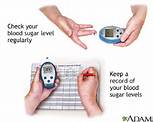
8. Monitor Your Blood Sugar Levels

"What gets measured gets managed."

Measuring and monitoring blood glucose levels can also help you control them.
For example, keeping track helps you determine whether you need to make adjustments in meals or medications.
It will also help you find out how your body reacts to certain foods.
Try measuring your levels every day, and keeping track of the numbers in a log.


Share:

How to Prevent Heart attack in 12 ways


                             How to Prevent Heart attack in 12 ways

1. Limit alcohol.

While red wine contains resveratrol, an antioxidant that may reduce the risk of blood clot formation and heart attack, drinking too much alcohol can also cause spikes in blood pressure
and higher triglyceride levels, increasing your risk for heart disease. If you decide to drink, limit yourself to one drink a day for women, two  for men.

2.Don't overeat

Eating a big meal—particularly a high-fat one—could potentially trigger a heart attack.

A 2000 study of heart-attack survivors hinted that the two-hour period after a heavy meal is risky. Diverting blood from the heart to aid digestion may also spur angina, or heart-related chest pain.

"Overeating should be considered a heart-attack trigger, much in the same way that extreme physical activities and severe anger episodes may cause a myocardial infarction,” says researcher Francisco Lopez-Jimenez, MD, a cardiologist at the Mayo Clinic, in Rochester, Minn.

3. Schedule regular checkups.

Seeing your doctor for a regular tune-up ensures that any irregularities with your blood pressure, blood sugar or cholesterol levels will be spotted — and dealt with — as early as possible.

4. Get your teeth professionally cleaned.

A study from Singapore found that people who got their teeth cleaned by a dentist or dental hygienist at least once a year had a lower risk of heart attack than those who never had a professional cleaning, because tooth scaling seems to reduce bacteria growth that causes inflammation and can up your risk for heart attack or stroke.

5. Keep diabetes under control.

If you have diabetes, your risk of heart attack is nearly doubled compared to someone who doesn't have it. Keeping your blood sugar in check can help you manage your diabetes and lower your heart attack risk. 

Read Also: How to Control Diabetes: Tips to Lower the Blood Sugar Level

6. Bike or take public transportation to work.

If you need an excuse to trade in your car keys for a bike helmet, here's one. A 2009 Swedish study found that people who regularly drive to work have a whopping 70% higher risk for heart attack than those who take a more active route like walking, biking or public transportation. Lowering your gas expenses is an added bonus!

7. Find an exercise buddy.

Being overweight and/or physically inactive puts you at greater risk for heart attack, so a good diet and proper exercise are key. Why not recruit a friend to work toward better heart health with you? Whether you join a recreational sports team, buddy up on a gym membership or simply get together for a walk or jog after work, having someone to work out with can help you stay motivated — and it’s a great way to bond.

8.Limit emotional involvement

Not with people! But avoid getting too emotionally invested in things that don't matter that much.

For example, researchers recently linked football team losses with a greater risk of heart attack. In Los Angeles County, deaths from heart attacks and just deaths in general (mostly in elderly people) spiked after the Pittsburgh Steelers routed the Los Angeles Rams 31-19 in the 1980 Super Bowl. But when the Rams pounced the Washington Redskins 38-9 in 1984, deaths in the county declined. So don't sweat the small stuff and remember that it's all small stuff.

9. Weigh yourself regularly.

If you’re looking to lose some weight and keep it off, monitoring your progress definitely helps. This doesn’t mean constantly obsessing over every crumb and calorie; it can be as simple as weighing yourself once a week. Greater weight self-monitoring is correlated to greater weight loss and less weight gain, according to several studies, as the frequent feedback may prompt you to make changes in your routine to get the results you want.

10. Track your target heart rate when you exercise.

The best way to find out whether any physical activity is improving the fitness of your heart and lungs is by tracking your heart rate when you exercise. According to the guide, your target heart rate should be between 50 to 75% of your maximum heart rate, which changes as you age. Over 75% may be too strenuous except for those in tip-top shape, while less than 50% is not enough to sufficiently condition your heart and lungs.

11. Play with your kids or pets.

Regular physical activity isn't just great for the waistline. It also lowers your risk of heart disease. But you don't have to hit the gym or start training for a marathon to get into better shape. Start simple, by spending some more time being active with the people — or pets — you love.

12.Avoid secondhand smoke. 

 Most people associate secondhand smoke with lung disease—but the danger to the heart is worse than you may realize.
Here’s why: Exposure to cigarette smoke—from smoking yourself or from secondhand smoke—increases arterial inflammation and impairs the ability of arteries to dilate and constrict normally. It also makes blood more likely to coagulate, the major cause of heart attacks.
If you live with an indoor smoker or spend time in other smoke-filled environments, your risk for a heart attack is 30% higher than in someone without this exposure. Cities (and countries) that have adopted public-smoking bans have reported reductions in heart attacks of 20% to 40%—with most of the reductions occurring in nonsmokers.

 
Share:

Thursday, 7 September 2017

5 Dangerous Diseases You Can Contact During Sex, Regardless of Condom Use.


When it comes to diseases that are transmitted through skin, the condom will not work. Therefore, if you are sexually active, it is Better to Hold till you get Married Or is important to regularly do tests, even if you practice safe sex! Some STD’s have serious health consequences if left untreated.


These are the most common diseases that you can get infected even with using a condom. Is not a Surprise & New thing. STAY SAFE

  1.Genital Herpes

If the wound of the herpes is located in the groin or the part not covered by a condom, it may cause transmission of herpes through that unprotected wound. Doctors recommend abstinence when you have a visible outbreak of herpes (herpes is easily transferred), but you should know that herpes can be transmitted even when there are no visible symptoms.
Condom is not sufficient protection nor with herpes type 2 – genital herpes, nor with herpes type 1 – oral herpes. which is recently discovered that it can be transmitted through sexual intercourse. Depending on the stage of the disease, herpes may be less (when no visible symptoms) or more infected (with visible bubbles on the skin). Also genital herpes can cause vaginal pain.

    2. HPV

HPV is the most common STI; there are over 100 strains of the virus. Some strains of HPV go unnoticed and seem to cause no symptoms at all, while others can cause genital warts or various cancers. Because genital warts can be on parts of the genitals that are not covered by a condom, especially female condoms, HPV can be spread via skin-to-skin contact. What’s worse– there is no male STD test for HPV and many cases show no symptoms, so it is often passed on unknowingly to partners.

  3. Syphilis

Yes, syphilis is still around. Syphilis is a highly contagious bacterial infection that spreads through sexual contact, including oral, vaginal, and anal sex. Syphilis sores occur at the infection site, and can be contracted by a partner via skin-to-skin contacts regardless of using condom.

  4. Human Papillomavirus

Human Papillomavirus is one of the most common STDs out there. As of 2013, there were 79 million reported cases of it in the United States according to the Centers for Disease Control (CDC). What makes it so common? It isn’t passed through fluids like more severe STDs, but rather just through skin-on-skin contact. There are thousands of strains of the virus, some are mild and never manifest themselves, some cause warts, and some can cause cancer.

   5. Public Lice/Crabs

Pubic lice, also known as crabs, are Pthirus pubis that infect the genitals. These lice are most common among teens and are typically spread during sexual, skin-to-skin contact. Pubic lice can live among public hair and can be spread whether or not a condom is used.

            HOW CAN I STAY SAFE??

 The easiest way to protect yourself is to know if your partner is tested, and if he had other partners since he have been tested,  and what his / her relationships were in the past.
Also, if you reduce the number of sexual partners it reduces the chances to get infected with a sexually-transmitted diseases.
To reduce the number of possible breaks in the skin, use a lubricant, it will reduce friction, which can also reduce the direct contact between the skin.
Always keep protection with you  OR even stay away from it and wait till you get Married In other not to Regret Later.
Share:

Friday, 1 September 2017

Reasons You Should Drink Water First Very In The Morning.


If you drink lots of water during the day, you’re off to a great start! Water plays an important role in the proper functioning of your body, and staying hydrated is important, but drinking a big glass of water on an empty stomach in the morning has its own perks!

1. It Will Re-hydrate You

After seven or eight hours of sleep, your body becomes dehydrated. Drinking water upon waking helps increase the flow of oxygen, and aids in the production of muscle and blood cells.

2. It Will Jumpstart Your Metabolism

Drinking at least one large glass of water in the morning – about 16 oz of cold water – can boost your body’s metabolism by about 24%, which can aid in maintaining a healthy weight.

3. Water Helps Your Body Flush Out Toxins

When you drink water in the morning before eating, you help to purify your colon, allowing nutrients to be absorbed more easily. Your kidneys also function better when you’re getting enough fluids.

4. Your Brain Tissue is 76% Water

When you’re dehydrated, your brain is operating on low fuel. This can cause you to feel tired, drained, may lead to headaches, and you may even experience mood fluctuations.

<----adsense---->
5. You’ll Stay Full Longer

Water helps to fill your stomach. Drinking a big glass of water in the morning, and before meals, can help you to eat less, and avoid over-eating. Drinking water in the morning before breakfast will leave you feeling full until lunch, and help you to avoid mid-day snacking.

Here’s how to drink water in the morning, to get the best results: Drink 1.5 liters (5 or 6 glasses) of water immediately after waking up. Avoid eating or drinking anything else for about an hour after drinking water. Of course, alcohol dehydrates the body, so it’s best to avoid alcoholic drinks before you go to bed.
Human beings are comprised of 72% water, so making sure to get your recommended daily intake of the liquid makes sense! Here’s a more precise breakdown of the water in your body:
  • Your muscles are 75% water
  • Your blood is 82% water
  • Your lungs are 90% water
  • Your brain is 76% water
  • Your bones are 25% water
You can see why staying hydrated is so important to keep your body healthy, energized and running properly. The risks of dehydration can be extremely serious. Your body depends on water to survive! Every cell, tissue and organ in your body needs water to work correctly, so if you aren’t drinking enough, make H2O your new best friend. If you find the taste too bland, add some lemon! 
Share:

Popular Posts

Pages

Popular Posts